If you are looking for NDT in Newcastle upon Tyne, Format NDT provides professional non-destructive testing for engineering companies, metal fabricators, manufacturers, offshore supply businesses, construction contractors and industrial operators. Our technicians inspect welds, materials, components and structures using methods designed to assess their condition without causing unnecessary damage.
Newcastle upon Tyne and the wider Tyneside area have strong connections with engineering, fabrication, marine industries, energy and advanced manufacturing. Businesses working within these sectors regularly depend on welded steelwork, machinery, pipework, specialist components and engineered assemblies where dependable inspection can support quality and project requirements.
Format NDT can help establish which inspection technique is appropriate for the component, material and potential defect involved. Whether you require a single examination, testing during fabrication or ongoing inspection support, our team can provide NDT services throughout Newcastle upon Tyne and surrounding areas.
Want more information? Call us on 01744 816225 or contact us below!
Do you need more information about anything said about this service? Please call us on 01744 816225 or contact us below and we will be happy to explain in further detail.

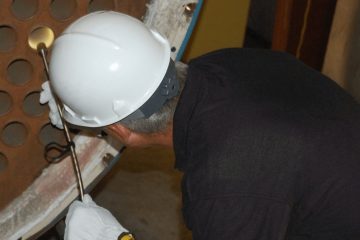
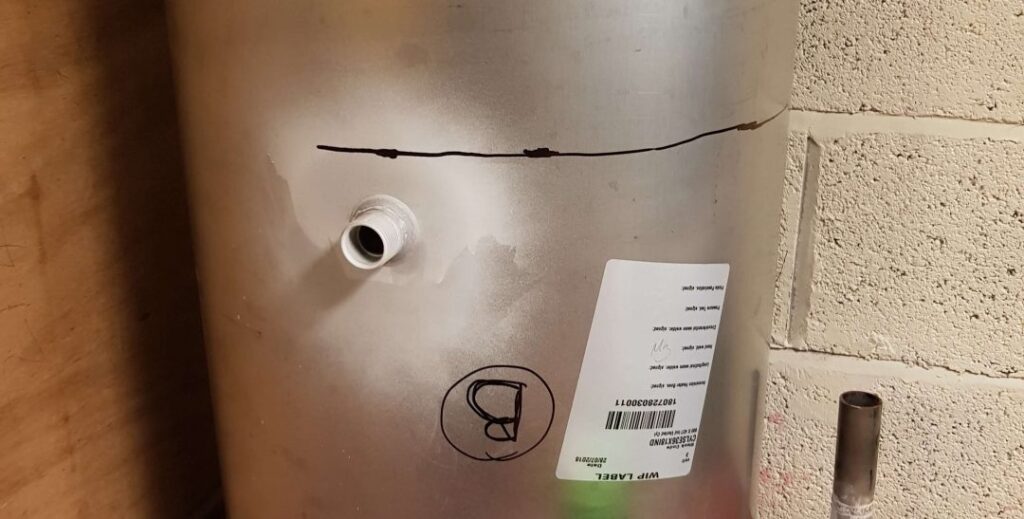
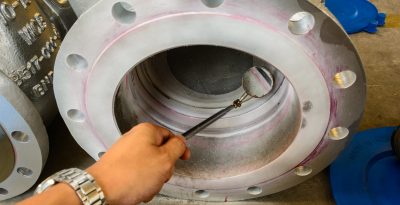
Engineering and fabrication projects often involve components that must progress through manufacturing, welding, machining, assembly and installation while meeting defined quality requirements. Non-destructive testing allows selected areas to be examined during these stages without sacrificing or permanently altering the component simply to establish its condition.
Depending on the method selected, NDT can assist with identifying surface cracks, internal discontinuities, lack of fusion, inclusions, laminations and other indications that may require further assessment. Testing can therefore be incorporated into fabrication procedures before a component moves to its next production stage or leaves the manufacturing facility.
Format NDT works with Newcastle upon Tyne engineering and fabrication businesses to understand what is being produced and what the inspection needs to establish. We can then recommend an appropriate testing technique while considering access, material type, component geometry and any relevant project requirements.
Tyneside has a longstanding relationship with marine engineering and continues to support businesses involved with offshore, subsea and energy-related projects. These industries can involve equipment operating in challenging environments where fabricated components, welds, structural sections and mechanical systems may be subject to demanding service conditions.
Non-destructive testing can be used at different points throughout these projects, including during manufacture, following welding, after repair work or as part of ongoing asset inspection. The purpose of the examination will determine which NDT method provides the most appropriate information.
Format NDT can support Newcastle upon Tyne businesses involved in offshore and industrial supply chains with inspection services tailored to individual components and project conditions. Our team can consider material type, expected defect location, surface condition and accessibility before testing begins, helping ensure the selected inspection technique is suited to what actually needs to be assessed.
Welded connections are widely used throughout structural fabrication, machinery, pipework and industrial equipment. Although a weld may appear satisfactory from the outside, certain discontinuities may occur beneath the surface or in areas that cannot be assessed through visual examination alone.
NDT provides several ways of gathering additional information without cutting through the weld or destroying the completed component. The appropriate technique will depend on factors including the material, weld configuration, thickness, accessibility and the type of indication being investigated.
For Newcastle upon Tyne manufacturers and engineering contractors, inspection can be arranged at suitable points within the production or installation process. Format NDT can discuss the component and inspection objective before recommending the most suitable approach. Where necessary, different NDT methods may be considered so that both surface and internal areas can be examined according to the specific requirements of the project.
If you require NDT in Newcastle upon Tyne, Format NDT can support engineering, fabrication, offshore, manufacturing, construction and industrial projects with a comprehensive range of inspection techniques. We can assess your requirements and recommend an appropriate method based on the material, component, access and type of defect or condition being investigated.
Whether you need testing during fabrication, examination following a repair or inspection of existing industrial equipment, Format NDT can discuss the requirements with you. Contact our team today to arrange professional NDT services in Newcastle upon Tyne and across the wider Tyneside area.
Businesses in Newcastle upon Tyne may use non-destructive testing when they need to assess the condition of welds, fabricated components, machinery, pipework or structures without damaging the item being examined. NDT can be used during manufacture, after welding, before installation, following repairs or as part of planned maintenance. Different techniques are suited to different materials and defect types, so the inspection method should be selected around the specific component and project requirement. For engineering, fabrication, offshore supply and industrial businesses across Newcastle upon Tyne and Tyneside, this can provide useful information for quality control and maintenance decisions. Format NDT can review the material, geometry, access and inspection objective before recommending a suitable method and arranging the testing required.
Newcastle upon Tyne and the wider Tyneside area support a broad range of engineering, fabrication, marine, energy and manufacturing activity. NDT can help businesses within these sectors examine important components without cutting them apart or putting them out of use unnecessarily. Depending on the technique selected, testing may help identify cracking, internal discontinuities, surface defects, corrosion-related thinning or other indications that need further assessment. This can be relevant to fabricated steelwork, machinery, pipe systems, pressure-related components and structures used within demanding working environments. Format NDT can provide inspection support for individual components as well as larger site requirements, helping Newcastle upon Tyne clients plan testing around production schedules, maintenance work, shutdown periods and project deadlines while selecting an inspection method suited to the actual application.
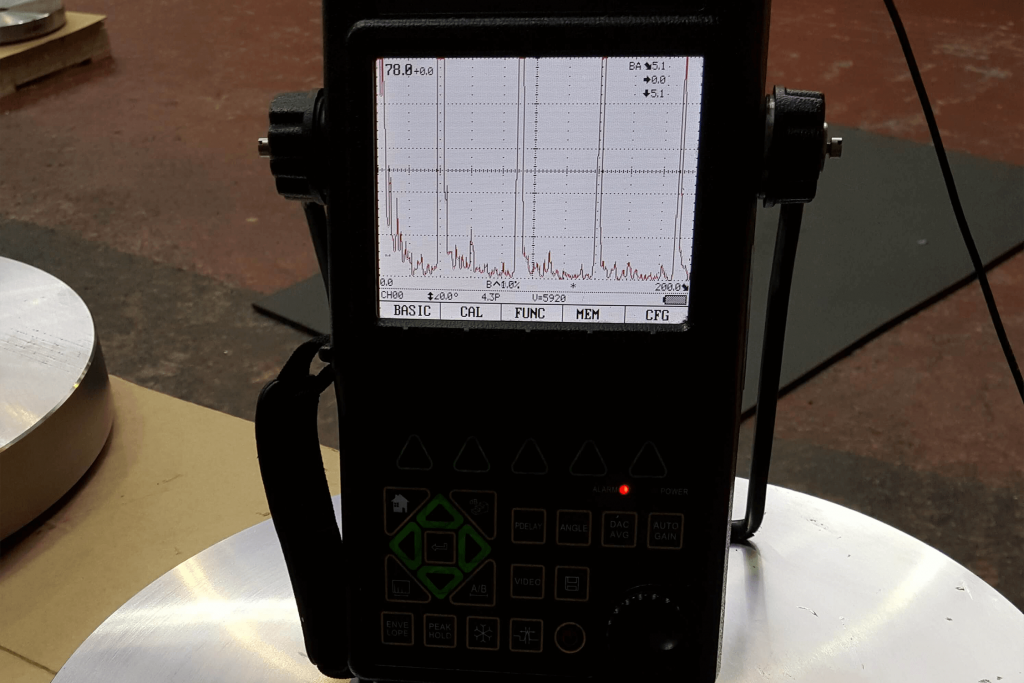
Ultrasonic Testing can be useful for Newcastle upon Tyne engineering and fabrication projects where the internal condition of a suitable component needs to be assessed without damaging it. The technique uses high-frequency sound waves and can be applied to weld inspection, flaw detection and thickness measurement, depending on the material and component geometry. It may help identify indications associated with cracks, lack of fusion, laminations, inclusions or other internal discontinuities. Ultrasonic thickness measurements can also support the assessment of certain components where corrosion or erosion may have reduced the remaining material. Format NDT can determine whether Ultrasonic Testing is appropriate after considering the material, thickness, surface condition, accessibility and inspection objective. Where another technique would provide better information, our team can recommend a more suitable NDT method.
Magnetic Particle Inspection can be appropriate for Newcastle upon Tyne fabrication and engineering businesses working with suitable ferromagnetic materials, including many steel components. The method is used to detect surface and near-surface discontinuities and can be applied to welds, castings, forgings, machined parts and fabricated assemblies where cracking or similar defects need to be investigated. The component is magnetised before fine magnetic particles are applied, allowing indications to form around areas where the magnetic field is disturbed. Because the method depends on the magnetic properties of the material, it cannot be used on every metal. Format NDT can confirm whether Magnetic Particle Inspection is suitable for the component being examined and advise when another surface inspection method would be more appropriate for the material or project conditions.
Yes. Format NDT can provide on-site inspection support for engineering companies, fabrication facilities and industrial locations in Newcastle upon Tyne where the chosen testing method can be carried out safely and effectively at the customer’s premises. This can be particularly useful for installed pipework, large fabricated structures, tanks, machinery and equipment that would be difficult or inefficient to transport elsewhere. Before attendance, the team can discuss access, surface preparation, working conditions, the relevant inspection requirement and any site restrictions that may affect the work. Planning these details in advance helps the technician arrive prepared for the component and environment involved. On-site NDT can also make it easier for Newcastle upon Tyne clients to coordinate inspection work with fabrication schedules, maintenance shutdowns, installation activity or other time-sensitive project stages.
Format NDT can support clients throughout Newcastle upon Tyne and across the wider Tyneside area. Depending on the individual project, this can include businesses in Gateshead, Wallsend, North Shields, South Shields, Hebburn, Jarrow and surrounding industrial locations. The company also provides NDT services across the UK, which can be useful for engineering contractors and organisations managing several sites or projects in different regions. If testing is required outside central Newcastle upon Tyne, Format NDT can discuss the location, equipment, access arrangements, inspection method and preferred timescale before confirming the most appropriate approach. This allows site attendance and testing requirements to be planned around the actual job, whether the inspection involves a single fabricated component, installed equipment or a wider programme of industrial testing.
