If you require NDT in Lancaster, Format NDT provides professional non-destructive testing for engineering companies, manufacturers, fabrication businesses, construction contractors and industrial organisations. Our technicians can inspect welds, materials, components and structures using established methods that assess their condition without unnecessarily damaging the item being examined.
Lancaster and the wider North Lancashire area support a varied network of engineering, manufacturing and industrial businesses. From fabricated steelwork and precision components to machinery, pipework and structural assemblies, businesses may require reliable inspection at different stages of manufacturing, installation and ongoing operation.
Format NDT can help determine which NDT technique is appropriate for the material, component and potential defect involved. Whether your requirement involves an individual inspection, testing during production or ongoing support across a larger project, our team can provide dependable NDT services throughout Lancaster and surrounding areas.
Want more information? Call us on 01744 816225 or contact us below!
Do you need more information about anything said about this service? Please call us on 01744 816225 or contact us below and we will be happy to explain in further detail.
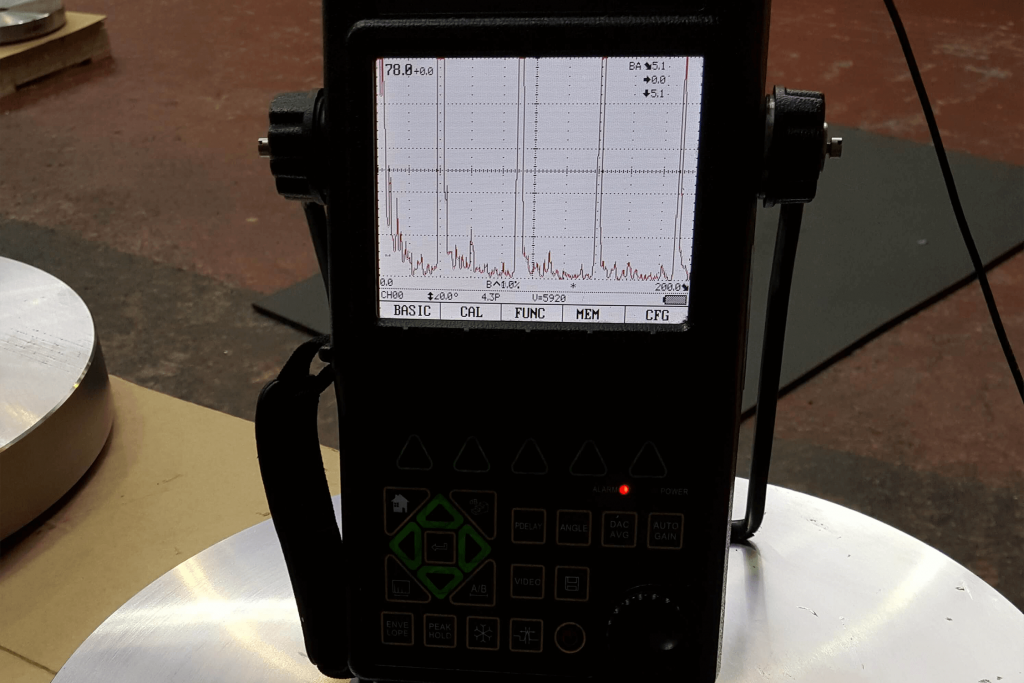

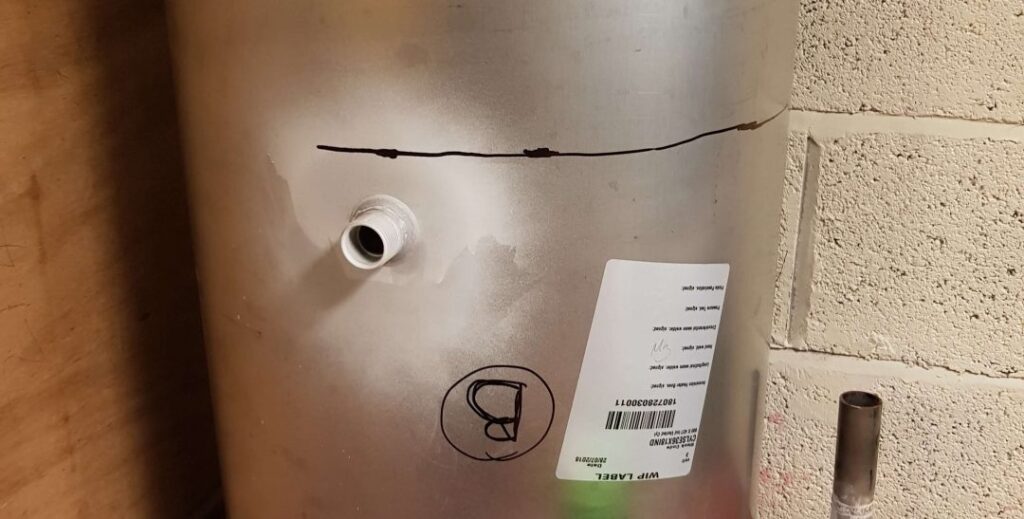
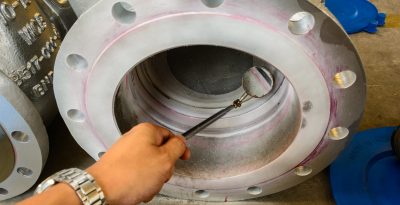
Fabricated components often pass through several stages before they are installed or supplied to the end customer. Welding, machining, forming and assembly can all create points where inspection may be needed to confirm that workmanship and material condition meet the requirements of the project.
Non-destructive testing allows these checks to take place without sacrificing a completed component simply to understand what is happening at or beneath its surface. Depending on the inspection method, testing can help reveal cracking, inclusions, lack of fusion, porosity, laminations and other discontinuities that may require further consideration.
Format NDT works with clients to understand what is being manufactured, which materials are involved and what the inspection is intended to establish. This approach allows Middlesbrough fabricators and engineering companies to arrange testing at suitable points within production, helping inspection work fit more effectively alongside fabrication schedules, client requirements and project deadlines.
Manufacturing businesses need confidence in the materials and components moving through their production processes. Where welding, forming, machining or assembly is involved, inspection may be required before a component can progress to the next stage, be installed or be supplied to a customer.
Non-destructive testing provides a way to examine selected areas while allowing the component to remain usable. Depending on the chosen technique, NDT can assist with detecting surface-breaking defects, internal discontinuities, cracking, inclusions, lack of fusion and other indications that may warrant further assessment.
Format NDT works with manufacturers in Lancaster and across North Lancashire to understand what is being inspected and why the examination is required. Material type, component shape, thickness, surface condition and access can all influence the recommended technique, allowing the inspection approach to be matched more closely to the individual production requirement.
Fabricated components can include numerous welds, joints and structural details that need to meet the requirements of the finished project. While visual checks can identify certain surface issues, other discontinuities may require specialist inspection to establish whether they are present and where they are located.
NDT can be introduced during fabrication rather than waiting until the entire assembly has been completed. This can make it easier to examine relevant welds and components at appropriate stages while access is still available and before additional work makes an area more difficult to reach.
For Lancaster fabrication companies and engineering contractors, Format NDT can provide testing suited to different materials, weld configurations and component types. Our technicians can review the inspection requirement and recommend an appropriate technique, helping testing work alongside production schedules rather than becoming an unnecessary interruption once fabrication is already complete.
If you need NDT in Lancaster, Format NDT can provide inspection support for manufacturing, engineering, fabrication, construction and industrial projects. Our technicians can assess your requirements and help identify an appropriate testing method based on the material, component, accessibility and type of condition or defect being investigated.
Whatever the scale of your project, choosing the correct technique begins with understanding what needs to be examined. Contact Format NDT today to discuss your requirements and arrange professional non-destructive testing in Lancaster and across North Lancashire.
An engineering business in Lancaster may require NDT when it needs to examine a weld, material, component or structure without damaging the item during the inspection. Testing can be carried out while a component is being manufactured, following welding, after repair work, before installation or during planned maintenance. Different techniques can investigate different types of conditions, including surface-breaking defects, internal discontinuities and changes in material thickness. The appropriate method depends on factors such as material type, geometry, surface condition and access. Format NDT can discuss the purpose of the examination before recommending an inspection technique, helping Lancaster engineering companies organise testing around their production requirements, project specifications, maintenance programmes and the individual characteristics of the component being assessed.
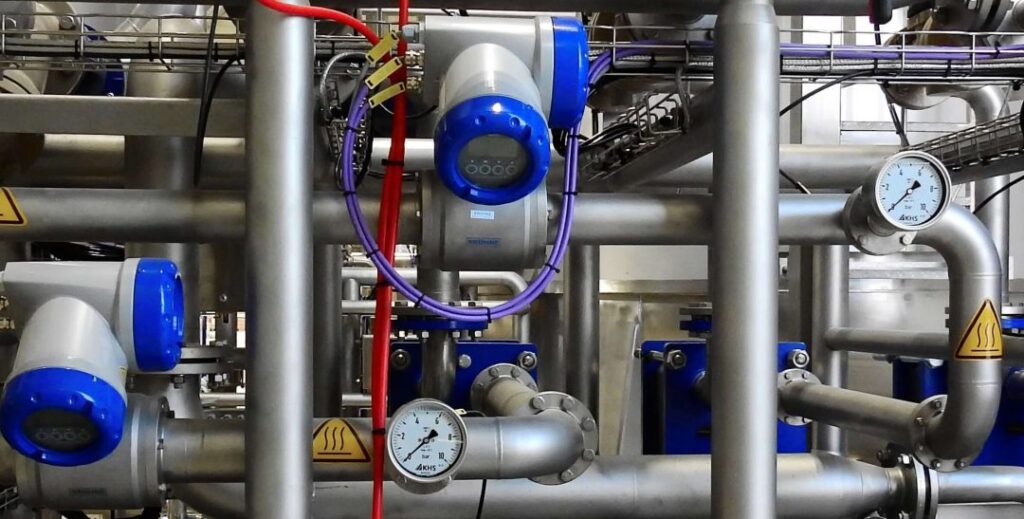
Format NDT can inspect a wide variety of components for Lancaster businesses, subject to the material, geometry and testing method required. Typical applications can include welds, fabricated steelwork, machined parts, castings, pipe sections, structural components, tanks and items of industrial equipment. Some inspections may focus on identifying surface defects, while others are intended to assess internal areas or determine material characteristics. The suitability of a particular NDT method therefore needs to be considered for each component rather than assumed in advance. Format NDT can review what is being examined, the potential defect of interest, access conditions and any relevant inspection specification before advising on the approach. This allows testing to be matched more closely to the component and the information the Lancaster client needs.
Ferrite Testing can be useful where the ferrite content of suitable stainless steel materials or welds needs to be assessed. This can be relevant when working with certain austenitic, duplex or super-duplex materials where the balance of the material structure can influence performance and resistance to particular service conditions. Ferrite measurements may therefore form part of manufacturing quality requirements, material verification or the assessment of welded components. Format NDT carries out Ferrite Testing using appropriate equipment and procedures so that readings can be related accurately to the material being examined. For Lancaster engineering and fabrication businesses working with specialist materials, the team can discuss whether Ferrite Testing is relevant to the component and project specification before arranging the inspection and any necessary site attendance.
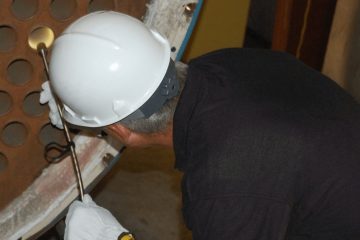
Yes. Visual Inspection can form an important part of an NDT programme and may be used independently or alongside other inspection methods depending on the component and project requirements. A visual examination can identify visible surface conditions, workmanship issues and areas that may require further investigation using another technique. Format NDT can also use specialist optical equipment where direct access or normal line of sight is limited, depending on the application. For Lancaster manufacturers, fabricators and industrial businesses, Visual Inspection can be useful during fabrication, following repair work or when examining existing equipment as part of a maintenance programme. The appropriate scope will depend on the component, accessibility and inspection criteria, allowing the examination to be planned around what the client needs to establish.
Yes. Format NDT can provide on-site NDT for suitable engineering, manufacturing and industrial projects in Lancaster where the required inspection method can be performed safely and effectively at the client’s premises. This can be useful for large fabricated items, installed pipework, tanks, structural components, machinery and other equipment that would be difficult or impractical to move simply for testing. Before site attendance is arranged, Format NDT can discuss the component, access conditions, surface preparation, inspection requirements and any restrictions that may affect the work. Planning these details beforehand allows appropriate equipment and resources to be organised. For Lancaster businesses, site-based inspection can also make it easier to align NDT with fabrication schedules, maintenance shutdowns, repair programmes or installation work already taking place at the premises.
Format NDT can support businesses in Lancaster as well as surrounding parts of North Lancashire, subject to the inspection requirements and site arrangements involved. This can include companies and projects around Morecambe, Heysham, Carnforth, Garstang and other nearby areas where engineering, manufacturing, construction or industrial inspection is required. Format NDT also operates more widely across the UK, which can benefit organisations that manage facilities or projects across several locations. If your site is outside central Lancaster, the team can discuss where the inspection needs to take place, what equipment or components are involved and which testing technique is required. These details help determine the most suitable arrangements and allow site attendance to be coordinated around the practical requirements, access conditions and proposed timescale of the individual project.
